

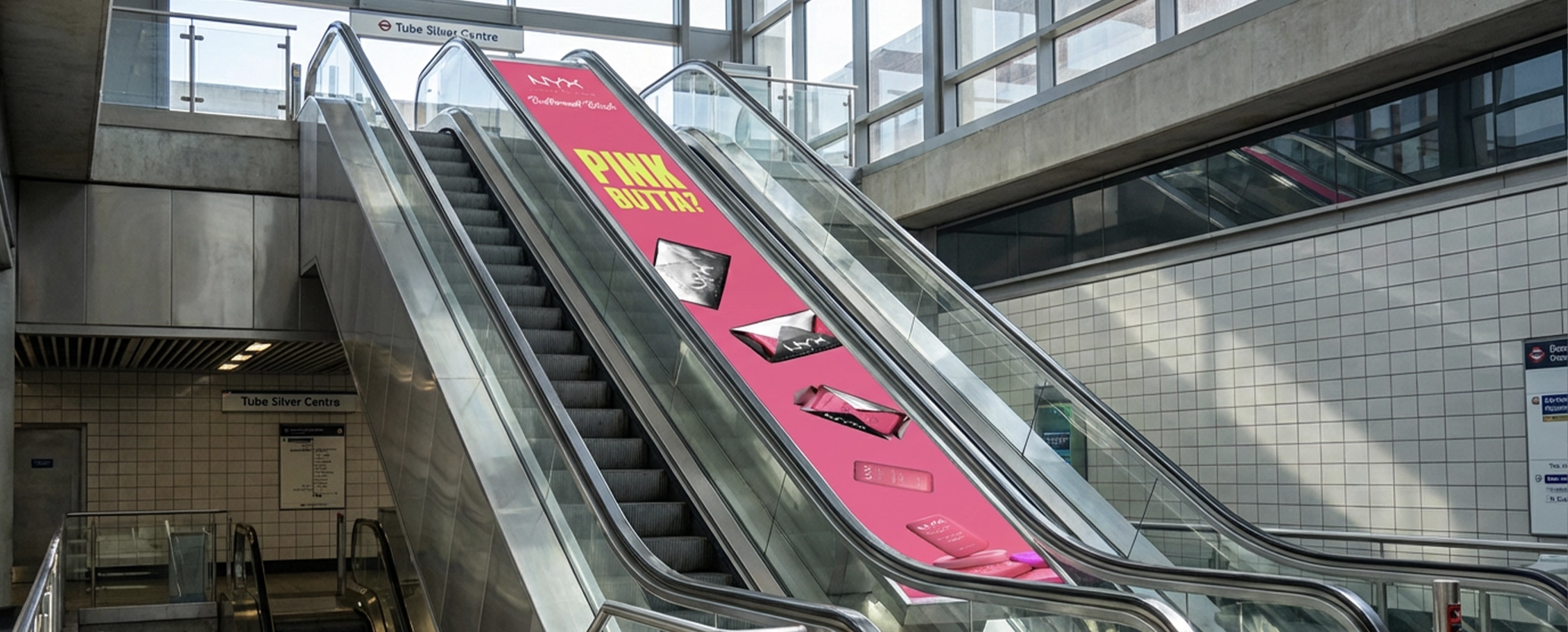
Visuals and sound are no longer enough. The activations generating the most engagement this summer are those that engage three, four, or even five senses simultaneously. Scent-infusion technology is being used to trigger emotional responses and strengthen brand recall. Tactile surfaces and interactive physical elements encourage longer dwell times. Haptic feedback in digital installations creates a sense of presence that screens alone cannot achieve.
The science supports this direction. Multi-sensory experiences create stronger memory encoding, which means audiences are more likely to remember your brand days and weeks after the activation. Research consistently shows that engaging additional senses increases both dwell time and purchase intent. In a crowded summer events calendar, the brands that create something people can feel, smell, and touch, not just see, are the ones that cut through.
This does not mean every activation needs to be a sensory overload. The most effective multi-sensory experiences are intentional and aligned with the brand. A fragrance brand using scent is obvious; a fintech company using texture and sound to make an abstract service feel tangible is clever. The goal is to create an emotional connection that reinforces what your brand stands for, not to throw every available technology at the wall.
The hybrid model has matured considerably since its pandemic-era origins. In summer 2026, the best activations are not simply livestreaming a physical event; they are designing experiences where physical and digital elements are genuinely interdependent. QR-triggered AR layers add hidden content to physical installations. AI-powered photo experiences generate personalised, shareable assets on the spot. Real-time social feeds become part of the physical environment, turning remote audiences into visible participants.
The numbers are compelling. Hybrid events see up to 40% higher engagement than purely physical formats, largely because they turn every attendee into a content creator and distribution channel. A single physical activation can generate thousands of digital impressions when the sharing mechanics are built into the experience from the start, rather than bolted on as an afterthought.
For brands working at a smaller scale, this is particularly powerful. A well-designed hybrid activation in a single location can reach a national or international audience through its digital layer, without touring. The key is designing for both audiences simultaneously: the people in the room and the people watching, sharing, and interacting online.
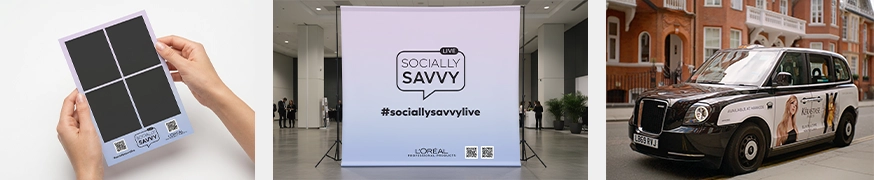
Artificial intelligence has moved from novelty to infrastructure in experiential marketing. In 2026, AI is being used to personalise activations in real time: adjusting lighting, music, digital displays, and even product recommendations based on individual visitor behaviour and preferences. No two visitors have exactly the same experience, which makes each interaction feel relevant and memorable.
Alongside personalisation, the most forward-thinking brands are embracing community co-creation. Rather than presenting a finished experience for passive consumption, they are inviting audiences to shape the activation itself. This might mean voting on elements of a live installation, contributing content that becomes part of the physical environment, or collaborating on a product design that launches at the end of the programme. The result is an audience that feels ownership over the experience, which translates directly into advocacy and word-of-mouth.
Both trends reflect a deeper truth about what audiences want in 2026. People are tired of being marketed at. They want to participate, contribute, and feel recognised. The brands that create space for genuine two-way interaction, powered by smart technology but grounded in human connection, are the ones building lasting relationships rather than fleeting impressions.
Sustainability has also become non-negotiable. With Gen Z now a major spending force, activations must demonstrate environmental responsibility through low-waste materials, modular reusable structures, and transparent sourcing. This is not a nice-to-have; audiences actively penalise brands that ignore it.
Bringing all of these trends together into a coherent activation strategy requires more than creative ambition. It requires production expertise, strategic planning, and the ability to execute across physical, digital, and social channels simultaneously. That is the difference between a brand that follows trends and one that sets them.
At Fresheather, our 360 campaign capability is built for exactly this kind of work. From concept development and creative production through to on-the-ground activation and social-first content capture, we deliver integrated experiential programmes that connect with audiences across every touchpoint. Whether you are planning an immersive summer pop-up, a hybrid product launch, or a sustained retail activation programme, our team brings the strategic thinking and production muscle to make it happen.
Ready to plan your summer 2026 activation? Explore our Brand Activations and Retail and Events services, or get in touch to start the conversation.