

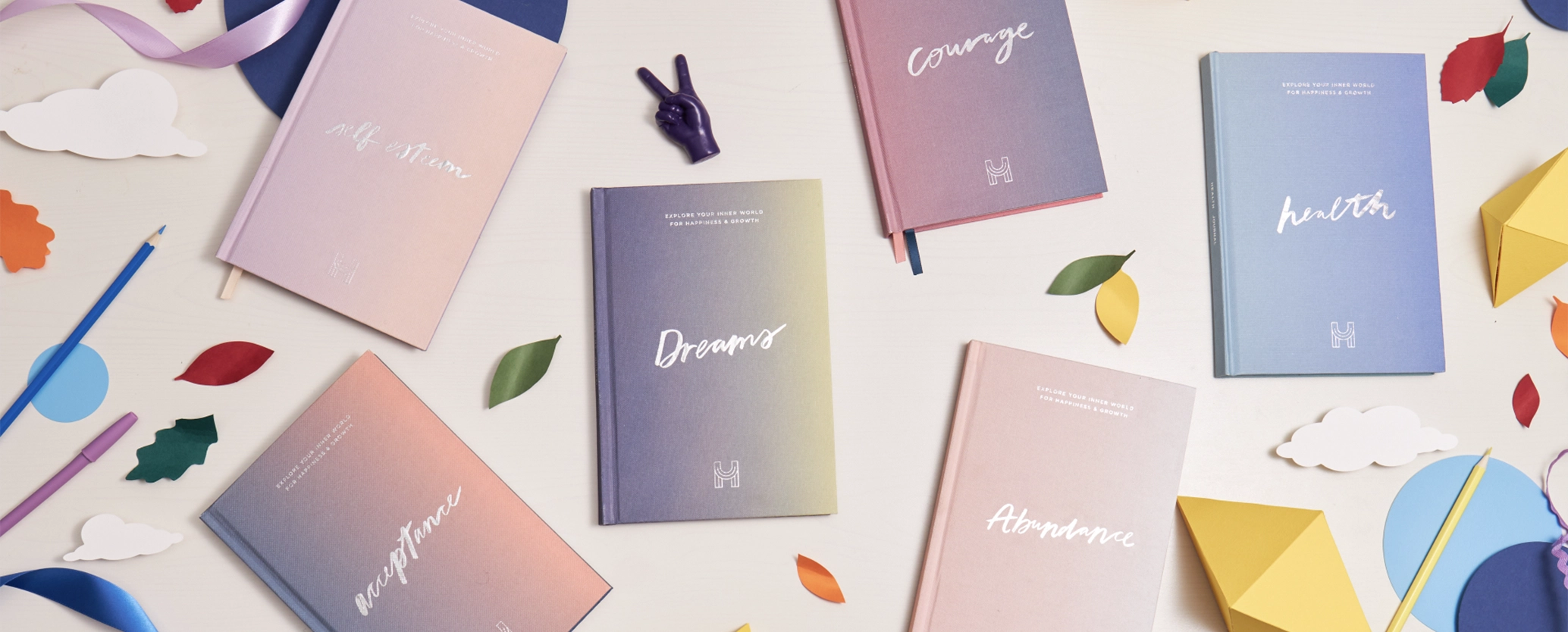
• Product reveals and unboxings. Imagine your product assembling itself, piece by piece, in a satisfying sequence. Stop motion turns a simple product reveal into something people save and share. It’s particularly effective for food and drink brands showing ingredients coming together, or beauty brands revealing a new shade or texture.
• Recipe and how-to content. For food brands, stop motion transforms a recipe into entertainment. Ingredients slide into frame, chop themselves, and arrange into finished dishes – all without a single hand in shot. It’s educational, it’s fun, and it performs consistently well across TikTok, Reels, and Pinterest.
• Seasonal and launch campaigns. Limited editions, holiday specials, and seasonal launches get a built-in sense of occasion with stop motion. Think advent calendars opening themselves, summer fruits tumbling into cocktails, or holiday packaging unwrapping in reverse.
• Brand storytelling. Stop motion can turn your product into the main character. A bottle that dances, a skincare tube that goes on an adventure, a snack that saves the day – this kind of storytelling builds brand personality in seconds.
• Paid social creative. Stop motion ads consistently outperform standard video in thumb-stopping metrics. The format is unusual enough to interrupt scrolling but familiar enough not to feel alienating. For paid campaigns, that combination is gold.
• TikTok. Pattern interruption is TikTok’s currency. Stop motion stands out in a feed of quick-cut videos and trending audio, and the platform’s algorithm rewards content that keeps people watching – which loops naturally do.
• Instagram Reels and Feed. Instagram is a visual-first platform, and stop motion delivers the kind of aesthetic craft that earns saves and shares. It works beautifully as both Reels content and as feed posts that elevate your grid.
• Pinterest. This is the sleeper hit. Pinterest is a search-driven platform, and stop motion content – especially recipe and product content – has long shelf life there. A single stop motion pin can drive traffic for months.
• LinkedIn. Surprisingly effective for B2B and internal comms. Stop motion feels premium and creative, which makes it stand out in a feed dominated by text posts and selfies. For employer branding and culture content, it’s underused and high-impact.

• A good stop motion brief includes: the products or objects to feature, mood and tone references (share examples you love), the platforms and formats you need, and any key messages or campaign context. Leave the animation style, pacing, and creative execution to the production team – that’s where the magic happens.
• At Fresheather, stop motion is one of our core specialisms. We produce it for food, beauty, and lifestyle brands – from standalone social content to full campaign assets and brand activations where stop motion comes to life at events, pop-ups, and experiential installations. If you’ve been thinking about adding stop motion to your content mix, we’d love to show you what’s possible.
• Read next: UGC vs Branded Content for Food & Drink Brands | What Beauty Brands Get Wrong About Social Content | What Is Social-First Content?