

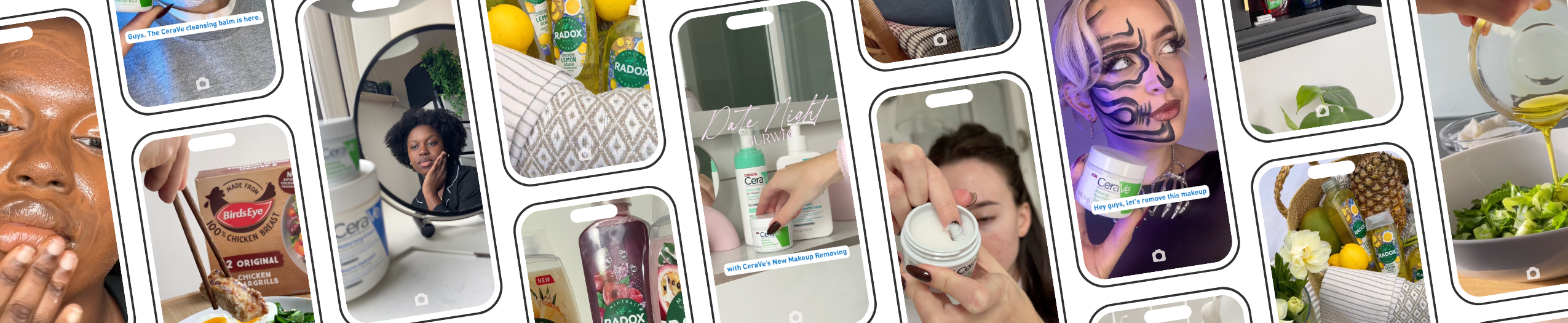
• Attention is the real currency. You have roughly 1.5 seconds before someone scrolls past your content. Social-first creative is engineered for that reality – strong visual hooks, immediate clarity, and a reason to keep watching. Traditional campaign assets, even beautiful ones, often fail this test because they were designed for a different viewing context.
• Algorithms reward native content. TikTok, Instagram, and YouTube Shorts algorithmically favour content that feels native to the platform. Content shot in the right aspect ratio, using the right pacing, and behaving the way users expect content to behave there gets pushed to more people. Repurposed campaign assets don’t tick these boxes.
• Trust drives conversion. 84% of consumers trust peer-style content over polished brand campaigns. For food, beauty, and lifestyle brands especially, seeing a real person enjoy a product in a relatable setting is more persuasive than any studio shoot. UGC-style content capitalises on this trust signal.
• Production efficiency scales. One social-first shoot can produce 20–30 assets across formats – TikToks, Reels, feed posts, Stories, Pinterest pins, and paid social creative. Traditional campaign production often delivers only a handful of hero assets from the same effort.
• On TikTok and Reels: Fast, visually punchy content that opens with motion or a question. Stop motion and product demos perform particularly well in beauty and FMCG. Content with a human hand or a tactile element outperforms purely graphic assets almost every time.
• On Instagram Feed: Your grid is your brand world – curated, cohesive, and aspirational. Feed content rewards strong photography, considered composition, and visual systems that make your brand recognisable at thumbnail size.
• On Pinterest: Search-driven and evergreen. A single well-optimised pin can drive traffic for months. Recipe content, how-to guides, and product photography with clear context perform best. Pinterest rewards consistency over virality.
• On LinkedIn: Surprisingly underused for brand content. Social-first video, particularly internal comms and culture content, stands out in a feed dominated by text posts. Employer branding, company milestones, and behind-the-scenes production content all perform well here.
• For paid social: UGC-style ads consistently outperform polished campaign creative in prospecting campaigns. Creator-shot content with authentic testimonials converts better than studio-lit product shots. The most effective paid strategies combine UGC-style prospecting creative with branded retargeting assets.
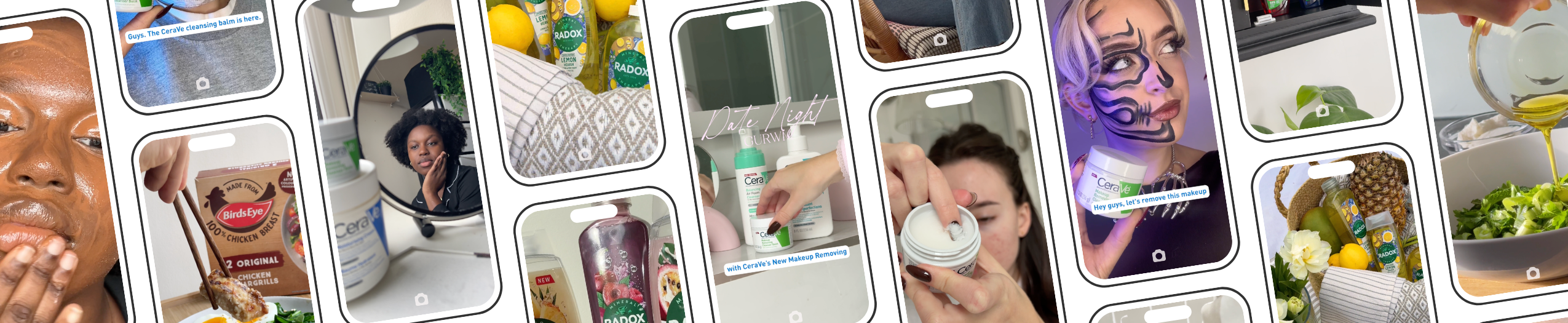
• Start with the platform, not the campaign. Instead of “we need a campaign that works across social,” try “we need a TikTok idea that could extend to other channels.” The creative should be born on the platform where it needs to perform best, then adapted outward. Read our full guide: How to Brief a Social-First Creative Agency.
• Brief for behaviour, not demographics. “Women aged 25–34” tells a creative team almost nothing. “People scrolling before bed who’ll stop for something satisfying or surprising” gives them something to design for. Describe how your audience encounters content, not just who they are.
• Design content systems, not one-offs. The best social-first brands don’t create individual posts – they build content systems with recurring formats, content pillars, and production workflows that generate a steady stream of platform-native content. This is what separates brands that occasionally go viral from brands that consistently perform.
• Batch production across formats. The smartest thing we do for clients is shoot for all platforms in the same session. Same products, same studio, same day – TikToks, Reels, feed posts, Pinterest pins, and paid creative. One production day, 20+ assets.
• If your brand is still leading with traditional creative and adapting for social, the shift doesn’t have to happen overnight. Start with one campaign or one product launch where social is the lead channel, not the supporting one. See what happens when the creative is built for the feed from day one – then scale from there.
• At Fresheather, social-first content is the foundation of everything we do. We produce UGC-style Reels and TikToks, stop motion, photography, CGI, design, and full 360 campaigns – all designed for the platforms where your audience actually spends their time. We also deliver brand activations that take your social-first content into the real world – events, pop-ups, and immersive experiences designed to drive engagement online and off. Let’s talk about your next project.
• Explore more: UGC vs Branded Content for Food & Drink Brands | Stop Motion for Social Media | How to Brief a Creative Agency | What Beauty Brands Get Wrong About Social | Social-First Internal Comms