By Fresheather · April 2026 · 5 min read
CGI for beauty has crossed over. In 2026 it is no longer the experimental line on a production budget, it is core kit: hero campaign films, retail and ecommerce assets, packaging visualisation and social-first product storytelling, across luxury, mass and indie alike.
What changed is the timing of a launch. Paid media, retail partners and PR now expect finished hero visuals weeks before packaging clears sampling. You cannot photograph a product that does not physically exist yet, but you can render it from the same CAD files used to develop it.
So the live question for a beauty team is no longer whether CGI belongs in the stack, but which jobs to hand it, how to brief it so the first asset lands first time, and whether to build the capability in-house or with a specialist partner. The brands getting real value treat it as a content system that regenerates through the year, not a single hero shot that sits in a drive.
CGI Is a Controlled Pipeline, Not an AI Shortcut
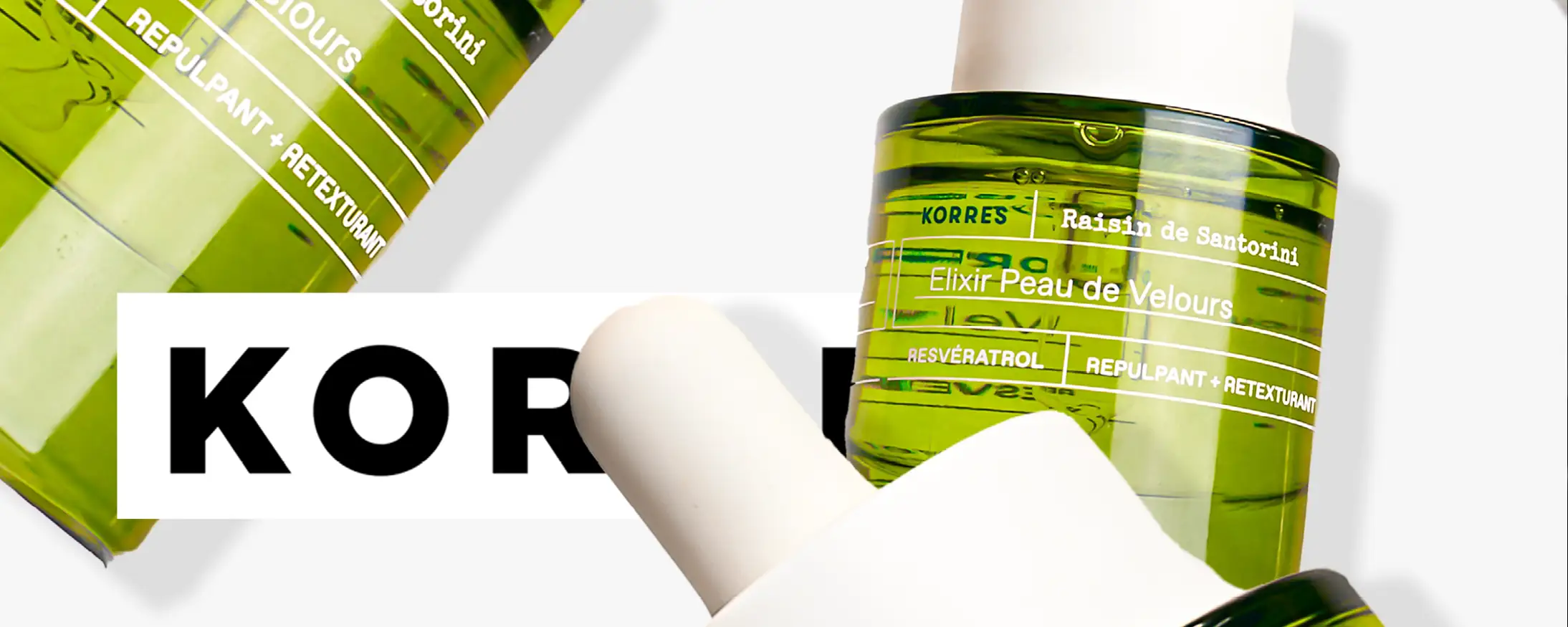
CGI product visualisation is the process of building a photoreal digital twin of a product, then lighting, texturing and rendering that model inside a 3D scene. For beauty, that usually means a lipstick, serum bottle, palette or applicator rebuilt from CAD files, brand specs or physical samples. The output is an image or sequence that looks shot in camera, but everything you see, from the glass thickness to the subtle microtexture of the cap, is controlled inside software.
It is not AI image generation. CGI is a deterministic, brand-approved pipeline. You decide the material spec, the lighting, the camera focal length and the colour profile. Nothing is invented or hallucinated. For regulated categories like skincare and SPF, that matters. The fastest-moving UK beauty brands now treat CGI as a twin production track to live photography. The live shoot captures real skin, texture and model performance. The CGI track delivers every product hero, pack shot, PDP asset, explainer and retail visual, often from the same CAD files already used in development.
The practical gain is speed. A beauty hero CGI asset can be built, approved and delivered in two to three weeks from final CAD, and can then be reused across every channel without a second shoot day. For a brand launching three to six new SKUs a quarter, that is a material change in how production flexes.
A single approved CGI base model now typically generates 40 to 60 paid social creative variants inside one production sprint, without a second shoot day.
When CGI Beats Photography or Stop Motion
- Pre-launch hero imagery. Your packaging is still in sampling, but paid media, retail partners and PR need finished visuals. CGI can deliver photoreal product imagery weeks before physical stock exists.
- SKU-heavy launches. If you are launching a full range with multiple colourways, shades or limited editions, CGI lets you produce the entire line from a single base model rather than a multi-day shoot.
- Impossible camera moves. Macro journeys inside a serum, cross sections of a lipstick bullet, or dramatic scale shifts are clean and repeatable in CGI, and risky or impossible in camera.
- Global consistency. CGI bakes in brand colour profiles, lighting ratios and pack geometry. That removes the variability that creeps into multi-market photo production.
- Retail refresh cycles. Boots, Sephora and Superdrug in-store screens and PDP refreshes can be served from one rendered master and resized in hours.
- Evergreen paid media. Platform algorithms reward creative velocity. A single CGI master scene can generate 40 to 60 ad variants for testing in a single sprint.
A Realistic Timeline and Deliverables Map
- Week one: CAD or spec handover, mood references, product sampling for material sign-off. Expect a formal look development stage before any final render.
- Week two: Model build, material and lighting review. This is the single most important approval stage. Lock geometry and materials here, because later changes are where timelines slip.
- Week three: Animation, camera polish and final pass renders. Hero key frames approved before full animation render.
- Delivery: Master MP4 and PNG sequences, vertical 9:16, square 1:1, horizontal 16:9 and 4:5 Instagram crops as a minimum. Plan for 6K masters so PDP and OOH cutdowns stay sharp.
- Reusability advantage for UK beauty hero CGI: the first hero asset carries the bulk of the production effort. Every additional shade, variant or format derived from the same base model lands significantly faster once the base is approved, which is where CGI compounds against single-shoot photography.
- File ownership: always negotiate CAD and scene file access. A brand-owned CGI base model becomes a compounding asset you can re-light and re-shoot for years.

How to Brief a CGI Partner So the Work Lands First Time
- Share CAD or vendor spec files early. If only JPEGs of packaging exist, add a physical sample to the brief. Accurate geometry is the difference between a hero and a flat render.
- Agree a look dev round before full production. Approve material, lighting and camera on a single key frame before animation starts.
- Supply brand colour references in Pantone and LAB values. Screen-only hex codes are unreliable for beauty pack shots where tiny colour shifts read as off-brand.
- Specify output formats up front. Platform ratios, frame rates and duration caps should be locked before render, not after.
- Ask for variant-ready scene files. The partner should structure the scene so shade swaps and pack updates cost hours, not days.
- Agree a single creative approver. CGI review by committee is the fastest way to inflate render time. One decision-maker, clear feedback windows, faster delivery.
In-House vs Agency for Beauty CGI
- Keep in-house: concept sketches, reference gathering, CAD file management, and any creative direction that needs daily access to brand context and legal copy.
- Partner with a specialist agency: model building, material look development, lighting, animation and final render. These are technical crafts that require experienced 3D artists and high-spec render infrastructure.
- The 2026 default for UK beauty teams is a small internal creative lead owning brief and approvals, plus a specialist 3D and CGI partner delivering the production volume. That split keeps velocity high without bloating the internal headcount.
- Ask for a content system, not a one-off asset. The teams getting the most from CGI build libraries of base scenes that regenerate through the year, not single campaign hero shots that sit in a drive.
- Fresheather builds photoreal CGI for beauty hero campaigns, retail PDP assets and paid social. Explore our CGI and 3D capability, or get in touch to scope a shade-heavy 2026 launch before the Q3 cycle.