

Understanding how each format is produced helps explain why timelines and effort differ so significantly.
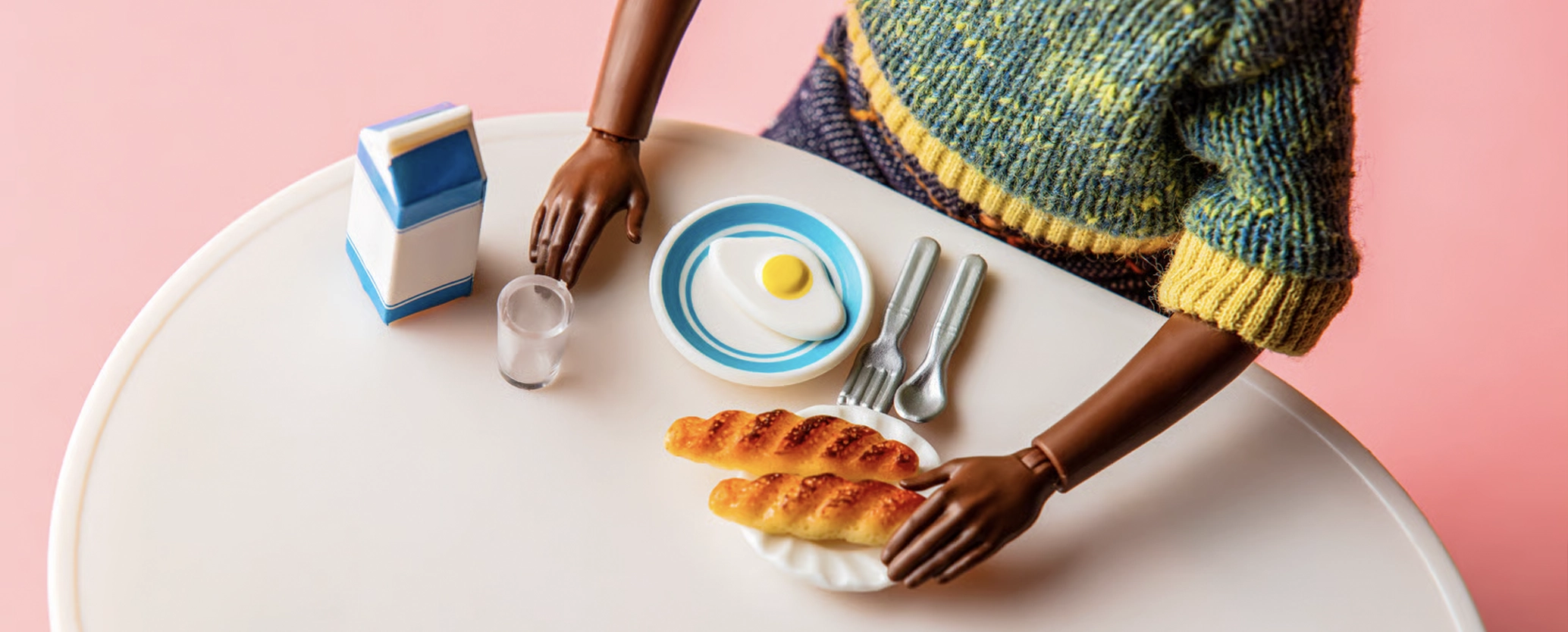
Stop motion production typically follows this path: concept and storyboarding, set design and model building, lighting setup, frame-by-frame shooting (often at 12 to 24 frames per second), compositing, and final edit. A 30-second stop motion piece for a brand campaign generally takes 3 to 6 weeks from concept to delivery, depending on complexity. Intricate sets, multiple characters, or detailed product handling can push this further. The process is labour-intensive by nature; every single frame is physically created.
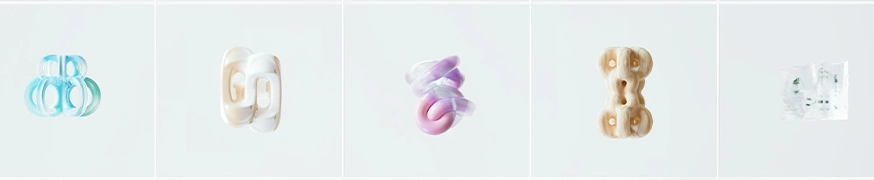
CGI production follows a parallel but distinct pipeline: concept and storyboarding, 3D modelling, texturing and materials, rigging and animation, lighting, rendering, and compositing. A comparable 30-second CGI piece typically takes 2 to 5 weeks. However, one major advantage is that once a 3D model is built, it can be reused, relit, and placed in entirely new scenes without starting from scratch. This makes CGI particularly efficient for brands that need ongoing content across multiple campaigns or platforms.
For brands producing regular social content, this reusability factor is a significant consideration. A single CGI product model can generate dozens of variations, while each stop motion setup is largely unique to that shoot.
Where you plan to use your content should heavily influence your format choice. Here is how stop motion and CGI perform across the platforms that matter most to brands in 2026.
TikTok and Instagram Reels: Stop motion content thrives on these platforms. TikTok data shows stop motion videos generate up to 65% more shares than standard video content. The format's tactile, lo-fi quality aligns perfectly with what performs on short-form social: content that feels crafted, authentic, and slightly unexpected. With TikTok's engagement rate sitting at 3.7% (nearly eight times Instagram's 0.48%), the platform rewards creative formats that hold attention. CGI also performs well here, particularly for product reveals and satisfying transformation sequences, but it needs to avoid feeling too polished or corporate for these audiences.
Instagram Feed and Stories: CGI edges ahead for curated, visually cohesive brand feeds. Photorealistic CGI product rendering allows brands to maintain a consistent aesthetic across every post without the variability that comes with physical shoots. For stories, both formats work well as short, punchy loops.
Out of Home (OOH) and Digital Signage: CGI is the dominant choice for large-format digital out of home, where photorealistic 3D renders and anamorphic illusions create the viral "is that real?" moments that earn organic social amplification. Stop motion can work for OOH in more niche, craft-focused contexts, but CGI's scalability and visual impact make it the stronger choice for most billboard and screen placements.
Website and E-commerce: CGI product rendering is increasingly replacing traditional product photography for e-commerce, offering 360-degree views, colour variants, and lifestyle renders from a single model build. Stop motion, meanwhile, adds personality to brand storytelling on landing pages and about sections.
Choose stop motion when: your brand values craftsmanship, authenticity, or a handmade feel; you are targeting audiences on TikTok or Instagram Reels where tactile content outperforms; your product has a physical, tangible quality you want to emphasise; you need a single hero asset that stands out through sheer creative distinctiveness; or you are a food, beauty, fashion, or lifestyle brand where texture and touch matter.
Choose CGI when: you need to produce content at volume across multiple platforms and campaigns; your product benefits from photorealistic rendering or impossible camera angles; you are targeting OOH, digital signage, or e-commerce channels; you need to iterate quickly, reuse assets, or produce seasonal variations; or your brand identity leans towards innovation, technology, or premium polish.
Choose both when: many of the most effective brand content strategies in 2026 combine the two formats. Stop motion for social authenticity, CGI for scale and versatility. At Fresheather, we produce both stop motion and CGI content in-house, which means we can build a content strategy that uses each format where it performs best rather than forcing one approach across every channel.
If you are planning your next campaign and want to explore what is possible with stop motion, CGI, or a combination of both, get in touch. You can learn more about our stop motion services and CGI and 3D services, or contact us to discuss your project.