

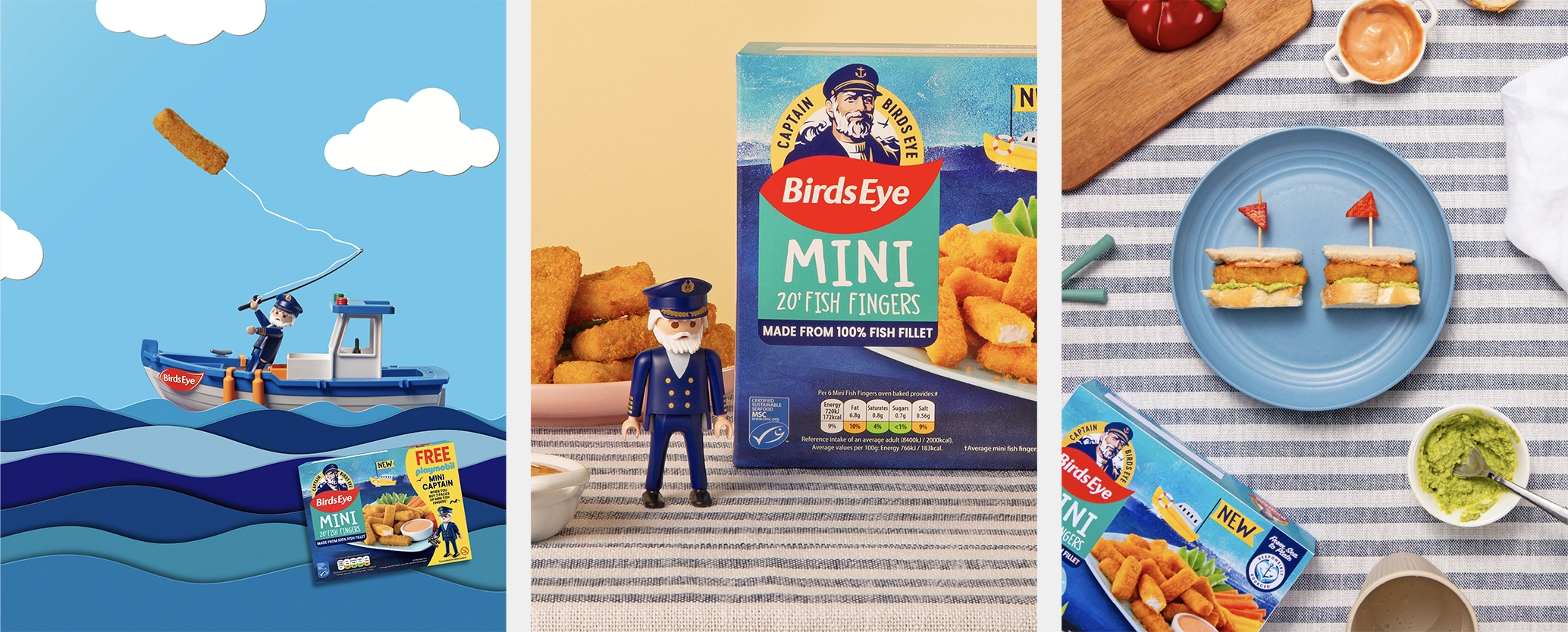
Enter the countermovement. In early 2026, brands including Aerie, Equinox and Almond Breeze began explicitly positioning themselves against AI-generated content. Their campaigns called out “tech gimmicks” and leaned hard into authenticity, real people, real materials and real process.
But luxury houses were already ahead of the curve. Hermès has long built its entire brand identity around craftsmanship, and the strategy is paying off handsomely. Its 2024 “Craftsmanship Journey” campaign, featuring cinematic films of artisans hand-stitching leather goods, generated over 500 million impressions and drove a 12% sales lift across featured categories. In the 2025 BrandZ ranking, Hermès posted the highest brand value growth in the luxury sector at 18%, with a client retention rate exceeding 85%.
The message from the market is clear: the hand is the new luxury logo. Consumers are not just tolerating craft; they are actively seeking it out and rewarding it with their wallets.
This is not limited to fashion. Across food, beauty, homeware and tech, brands are discovering that showing the process, the imperfection, the human touch, outperforms polished, AI-assisted creative. One case study from Bogart’s Doughnuts found that a simple behind-the-scenes photo series showing hand-glazing outperformed four months of polished graphics, generating three times the engagement.
Stop motion animation sits at the perfect intersection of craft and content. Every frame is physically constructed, lit, adjusted by hand, and photographed. There is no algorithm deciding how a shadow falls or how a texture catches the light. The result is something that feels unmistakably real, even when the subject matter is fantastical.
This tactile quality is exactly what audiences are craving in 2026. According to Hootsuite’s Social Media Trends report, user-generated and creator-driven visuals are outperforming polished brand content by a factor of three. Raw, authentic, “imperfect” content is winning. Stop motion, with its visible fingerprints and frame-by-frame dedication, reads as authentic in a way that even the best AI-generated animation cannot replicate.
The format is also remarkably versatile from a distribution standpoint. A single stop motion shoot, captured in high resolution, can be re-edited into vertical cuts for Instagram Reels, TikTok and YouTube Shorts, landscape formats for website headers and LinkedIn, and even GIFs for email campaigns. One production delivers content across every channel, and all of it carries the same distinctive handcrafted quality.
Stop motion is a medium that is neither trendy nor fading. It is proven.
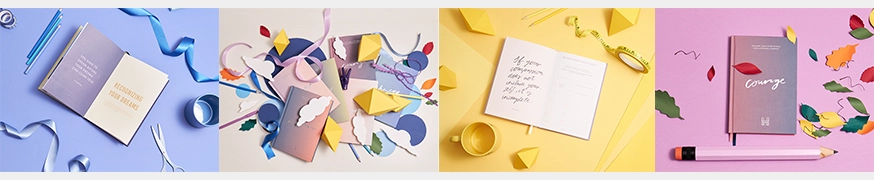
The data supporting handcrafted content is not just anecdotal. Envato’s 2026 Motion Design Trends report highlights a clear shift: creators and brands alike are blending traditional craft techniques with modern production workflows, and the results are resonating. Luxury houses like Hermès and independent artists such as Edd Carr are showcasing slow, frame-by-frame motion that foregrounds the human touch, and audiences are responding.
On social media, the engagement gap between authentic and AI-generated content continues to widen. Dash Social’s 2026 trends report notes that audiences are “connecting less” with polished, mass-produced visuals. The brands winning attention are those showing process, texture and personality.
For stop motion specifically, the format’s inherent shareability gives it an edge. People share things that surprise them, and in a feed full of smooth, AI-rendered sameness, a handcrafted stop motion piece stands out precisely because it looks like someone cared enough to make it frame by frame.
If your brand is competing for attention in 2026 (and whose is not?), the question is no longer whether to use video content. It is what kind of video content signals the right things about who you are.
That distinction matters more than ever. As consumer trust in digital content erodes, the brands that will stand apart are those willing to invest in formats that cannot be faked or mass-produced. Stop motion is one of very few content types that carries its own proof of authenticity in every frame.
The use cases are not narrow. Luxury brands use it to reinforce heritage, challenger brands use it to build credibility, and established names use it to reconnect with audiences tired of the AI aesthetic. In every case stop motion offers the same rare thing: content that feels as considered as the product it represents.
The numbers back this up. The stop motion market continues to grow year on year, and the brands investing in it are seeing measurable returns in engagement, brand perception and social sharing. In a landscape where 2026 has been called “the year of anti-AI marketing” by outlets including CNN Business, choosing handcrafted content is not just a creative preference. It is a competitive advantage.
At Fresheather, stop motion is not a novelty; it is a core capability. Our London studio produces stop motion content for brands that understand the value of standing out through craft. From product launches to social campaigns, we create frame-by-frame animation that captures attention, communicates quality and performs across every platform.
If you are ready to give your brand content that audiences actually want to watch, share and remember, explore our stop motion services or get in touch to discuss your next project.
The era of AI sameness is creating a once-in-a-generation opportunity for brands brave enough to choose craft. The only question is whether you will seize it.