How to Build Brand Fandom in 2026: A UK Marketer's Guide
Fandom, not reach, is the social growth story of 2026. Here is what brand fandom means, why the Cultural Power Loop matters, and how UK beauty and FMCG brands can build real community.
Brand fandom is what happens when an audience stops watching your brand and starts taking part in it, by making, remixing, defending and recommending your content without being asked. In 2026 it is the single biggest shift in how UK brands grow on social.
That is the short answer. The fuller picture is that reach on its own no longer moves people. We Are Social's Think Forward 2026 report calls this the Intimacy Economy and frames the work around a Cultural Power Loop, while naming fandom as the year's defining behaviour. This guide explains what that means for a UK beauty or FMCG brand, and how to build real fandom rather than buy hollow reach.
What brand fandom actually means in 2026
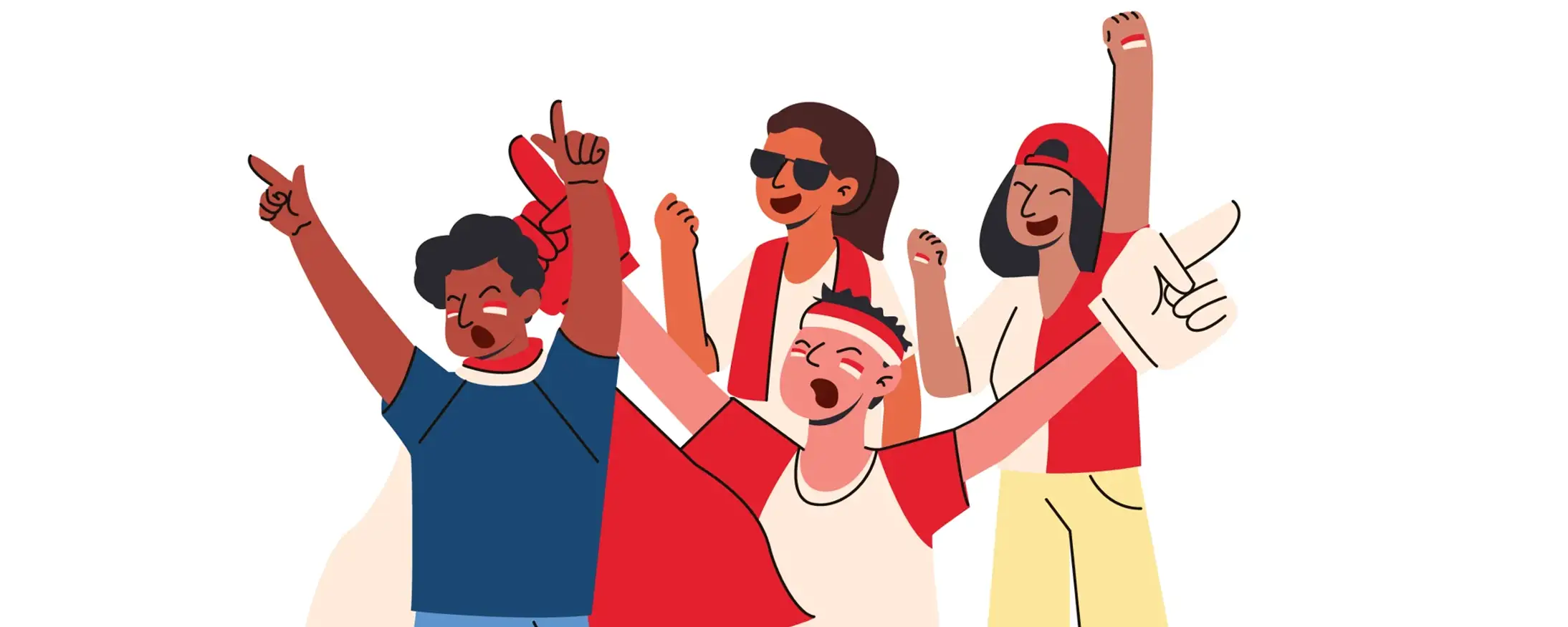
Fandom is not a follower count. A follower scrolls past. A fan shows up. The difference is participation: a fan will make their own version of your campaign, quote your tagline back to you, correct someone who gets your story wrong, and bring three friends into the world you have built.
We Are Social's Think Forward 2026 research found that 73 percent of marketers now believe fandoms will be critical to their social strategy this year, as fans move from passive observers to creative collaborators. Fans no longer wait for the official narrative. They build their own lore, reinvent the story and shape the culture around a brand. For UK marketers that is a gift and a warning at once: the brands that hand fans something worth building on will compound, and the brands that keep broadcasting at people will keep paying for every single view.
Reach tells you how many people saw your brand. Fandom tells you how many would defend it.
Why fandom is the social story of 2026
Broadcast alone has stopped working. We Are Social's 2026 framing is blunt: only buying massive reach is over, and the value has moved to intimacy and participation.
AI has made generic content infinite and cheap, which makes it easy to ignore. When anyone can generate a passable video in seconds, the scarce thing is content people care about enough to join in with. See AI UGC vs real creator content.
95 percent of marketers now call social critical to brand building, so the competition for genuine attention is only getting harder.
Fans are a media channel you do not pay for by the impression. A committed community keeps a brand present between campaigns, which is exactly where most brands go quiet.
The Cultural Power Loop: Presence, Proof, Power, Participation
Presence: show up consistently in the spaces your audience already lives in, not only during launch windows. Presence is the cost of entry, not the goal.
Proof: give people reasons to believe. Real results, real customers, real craft and named partners such as Garnier, NYX, Unilever and L'Oreal build the credibility that earns a following.
Power: shape the conversation rather than chase it. A brand with power sets references other people repeat, instead of copying whatever is trending that week.
Participation: turn viewers into players. This is where fandom is won, by handing your audience formats, in-jokes, templates and roles they want to take part in. We Are Social positions participation as the force that turns advocacy into sustained presence, which closes the loop.
The four forces feed each other. Get them into flow and a brand stops interrupting culture and starts shaping it.
How to build brand fandom without faking it
Give fans something to make, not only something to watch. A repeatable format, a sound, a visual device or a template invites participation. A finished thirty-second film does not.
Brief for personality, control for compliance. When you work with creators, brief tightly on claims and loosely on voice so the content feels theirs. Our UGC creator brief guide walks through how.
Build proof in public. Show the making, the set, the hands, the mistakes. Process content is some of the most shareable proof a brand owns, and it sits at the heart of social-first content.
Reward the people who already show up. Reply, repost, name them, bring them into the next shoot. Fandom grows from the few who care, not the many who scroll.
Stay present between campaigns. The brands that win fandom are the ones still talking when there is nothing to sell, so plan always-on craft, not just launch bursts.
Pick the right partners for the long game. If community is the goal, choose a creative partner or studio that can make recognisable, repeatable work, not one-off assets. Our guide to choosing an influencer marketing agency covers what to look for.
Brand fandom FAQ
What is the difference between an audience and a fandom? An audience watches and moves on. A fandom takes part. Fans make their own content, defend the brand and recruit other fans, which is why fandom compounds while audiences have to be re-bought with every campaign.
What is the Cultural Power Loop? It is the framework in We Are Social's Think Forward 2026 report, built on four forces of cultural gravity: Presence, Proof, Power and Participation. The idea is that the four feed each other, so a brand with all four in flow shapes culture rather than interrupting it.
Is brand fandom only for big brands? No. Fandom is about depth, not scale. A challenger beauty or FMCG brand with a small, genuinely involved community often has more cultural power than a large brand with a passive audience.
How does AI content affect brand fandom? AI makes generic content infinite, which lowers its value and raises the value of content people actually want to join in with. Brands that lean on craft and real creators tend to earn participation, where purely AI-generated feeds struggle to.
How long does it take to build brand fandom? Longer than a single campaign and faster than most brands expect once participation starts. The key is consistency: showing up between launches, rewarding early fans, and giving people formats worth returning to.