

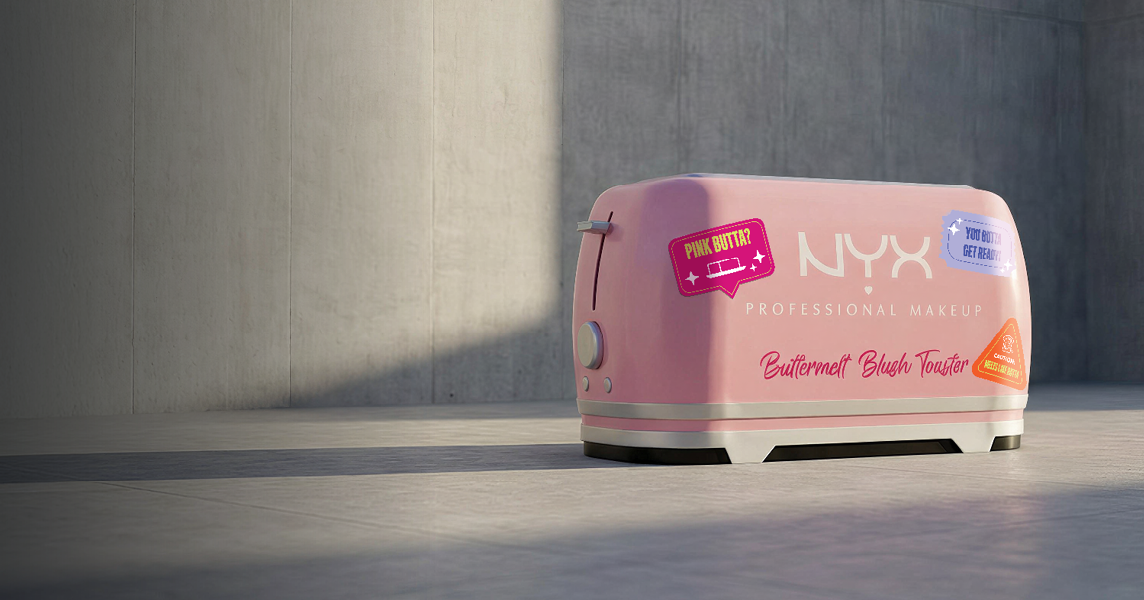
Brand activation is the marketing discipline of bringing a brand to life through direct, interactive experiences that move people from awareness to action. The American Marketing Association frames it as the work of driving consumer behaviour through brand interaction and experience, the Chartered Institute of Marketing describes it as the point where brand strategy becomes a tangible experience a customer can take part in, and the Chartered Institute of Public Relations places it within experiential and engagement marketing, where success is measured by participation rather than reach alone.
In practice the term covers a wide span of work, from pop-ups and sampling to festival installations, launch events and digital experiences, and what unites them is the action at the centre. A campaign people only watch is advertising, while a campaign people take part in, share and remember is an activation. That distinction has held steady even as the formats have changed, and in 2026 the strongest activations carry the participation through to social, so the experience earns attention twice.
• Experiential pop-ups and installations. Temporary physical spaces that immerse consumers in your brand world. From product-led retail pop-ups to fully themed installations at festivals and events, these create shareable moments that extend your reach far beyond the physical footprint.
• Sampling and trial experiences. Getting your product into people's hands is still one of the most powerful activation tactics, but in 2026, it needs to be wrapped in an experience worth sharing. Think branded vending machines, surprise-and-delight moments, and curated tasting events.
• Interactive digital activations. AR filters, gamified social campaigns, and interactive microsites that turn passive scrolling into active participation. These work especially well when they bridge the gap between digital and physical.
• Live events and launch moments. Product launches, press previews, and influencer events designed to generate a wave of authentic social content. The event itself is the content engine.
• In-store and retail activations. Point-of-sale displays, branded fixtures, and interactive retail moments that turn shopping into an experience. These are particularly effective for FMCG and beauty brands looking to stand out in crowded retail environments.
• Start with the objective, not the format. Are you launching a product, building awareness, driving trial, or creating content? The objective shapes every decision that follows. Too many activations start with "let's do a pop-up" instead of "what do we need this to achieve?"
• Design for social from day one. Every element of your activation should be considered through the lens of "will someone share this?" That means visual design, lighting, branding placement, interactive moments, and even the queue experience all need to be optimised for content creation.
• Think beyond the day. The best activations generate content and conversation that lasts weeks or months after the physical experience ends. Plan your content capture strategy alongside the activation itself, not as an afterthought.
• Measure what matters. Footfall and impressions are starting points, but the real metrics are engagement depth, content generated, social reach, sentiment, and ultimately, commercial impact. Set your KPIs before you build anything.

• Brand activations are content engines. A well-designed activation generates dozens or hundreds of pieces of authentic social-first content, from attendee UGC to professional event coverage, behind-the-scenes footage, and recap content. This is content you can't manufacture in a studio.
• Social amplifies the physical. When your activation is designed for sharing, every attendee becomes a content creator. The physical experience reaches 50 people; the social content reaches 50,000. That's the multiplier effect that makes activations one of the highest-ROI marketing investments when done right.
• Content capture needs to be part of the plan. Don't rely on attendees alone. Professional photography, video content, and even stop motion should be part of your activation production plan. The content from one activation can fuel your social channels for weeks.
• The feedback loop is powerful. Activations give you real-time audience reactions, content performance data, and qualitative insights that feed straight back into your broader creative strategy. It's market research and marketing in one.
• If you're a brand or marketing team thinking about adding experiential and brand activations to your marketing mix, the most important thing is to work with a partner who understands both the physical and digital sides. An activation that looks great in person but doesn't translate to social is only doing half the job.
• At Fresheather, brand activations sit alongside our social-first content, photography, stop motion, CGI, and design capabilities. We design and produce activations that are built for social from the ground up, with every element optimised for content creation, sharing, and engagement. From concept through to production and content capture, we handle the full process.
• Whether you're planning a product launch, a festival activation, a retail experience, or something completely new, let's talk about what's possible.
• Explore more: UGC vs Branded Content | Stop Motion for Social Media | How to Brief a Creative Agency | What Beauty Brands Get Wrong About Social | What Is Social-First Content?